Orthodontic problems can affect both the appearance and function of your smile. Issues with tooth alignment and bite can make chewing more difficult, impact speech, and affect overall oral health.
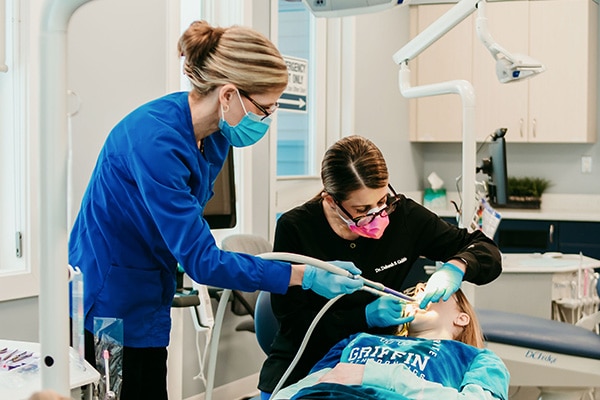
At Griffin Orthodontics, Dr. Deborah Griffin diagnoses and treats a wide range of orthodontic concerns. Understanding these common problems is the first step toward achieving a healthier, more confident smile.
What Are Common Orthodontic Issues?
Orthodontic problems, also known as malocclusions, occur when the teeth and jaws are not properly aligned. These issues may be genetic or result from habits such as thumb sucking, dental conditions, or injuries.
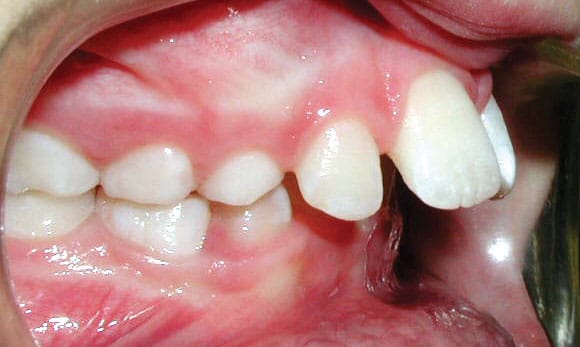
Upper Front Teeth Protrusion
This condition occurs when the upper front teeth extend too far forward or the lower teeth do not extend far enough forward. It can affect both the appearance of your smile and how your teeth function together.
Overbite
An overbite happens when the upper front teeth overlap excessively over the lower front teeth. In more severe cases, the lower teeth may contact the roof of the mouth, leading to discomfort and potential wear.
Crossbite
A crossbite occurs when the upper teeth sit inside the lower teeth instead of outside. This can lead to uneven tooth wear, gum issues, and improper jaw growth if left untreated.
Openbite
With an open bite, the upper and lower front teeth do not overlap when the mouth is closed. This can make proper chewing difficult and is often associated with habits like tongue thrusting.
Crowding
Crowding occurs when there is not enough space for teeth to properly align. This can cause teeth to overlap or twist, making them harder to clean and increasing the risk of dental issues.
Spacing
Spacing refers to gaps between teeth, which may be caused by missing teeth or natural growth patterns. While sometimes cosmetic, spacing can also impact how teeth function together.
Underbite
An underbite occurs when the lower jaw extends forward, causing the lower front teeth to sit in front of the upper teeth. This can affect chewing, speech, and overall jaw function.